-
Faith as Trust, Not Pledge part 3: Faith works better
This third installment draws upon historic, systematic, and practical theology to demonstrate that “faith” is not only a fine translation of pistis; it’s actually much more useful translation than “allegiance” or “faithfulness.”
-
A Note on the Y’all’s of the New Testament

We love to remind people that the “you” in the New Testament is plural — that Paul wrote to y’all, not just you. But if we’re not careful, the plural can get twisted into the impersonal.
-
Faith as Trust, Not Pledge pt. 2: Have we clarified the gospel yet?
The second post in this series takes a critical look at the consequences of redefining faith as faithfulness or allegiance for gospel clarity.
-
Faith as Trust — not Pledge, part 1: Faith is obsolete now?
Part one of a three-part series on the trend towards redefining “faith” in Scripture as “faithfulness” or “allegiance.” In this post, I begin by laying out my concerns, and showing why these simply aren’t great glosses for pistis-words.
-
Reflections on the Persistent Widow
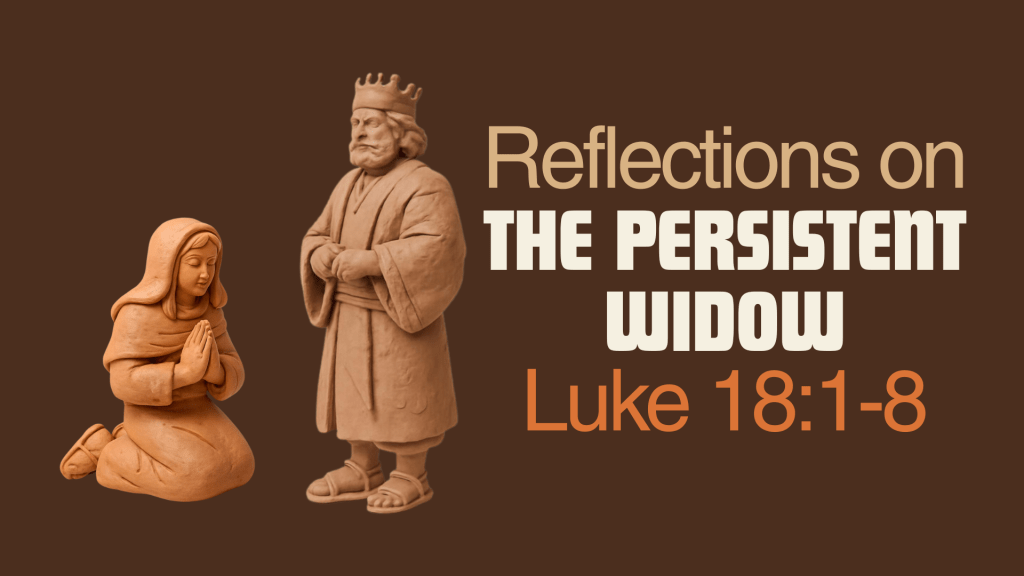
The one where I explore fruitful routes for interpreting Jesus’ story of the persistent widow: the rightness of seeking justice; the Church as a widow in this age; and the matter of time.
-
Help Me Begin My Next Adventure (Life Update)

I’m seeking my next ministry adventure, and am open to church ministry, church consultancy, or Christian media organizations. Will you help me find the intersection between the church’s (or world’s) deep hungers and my deepest joy?
-
What you say about Bathsheba is revealing
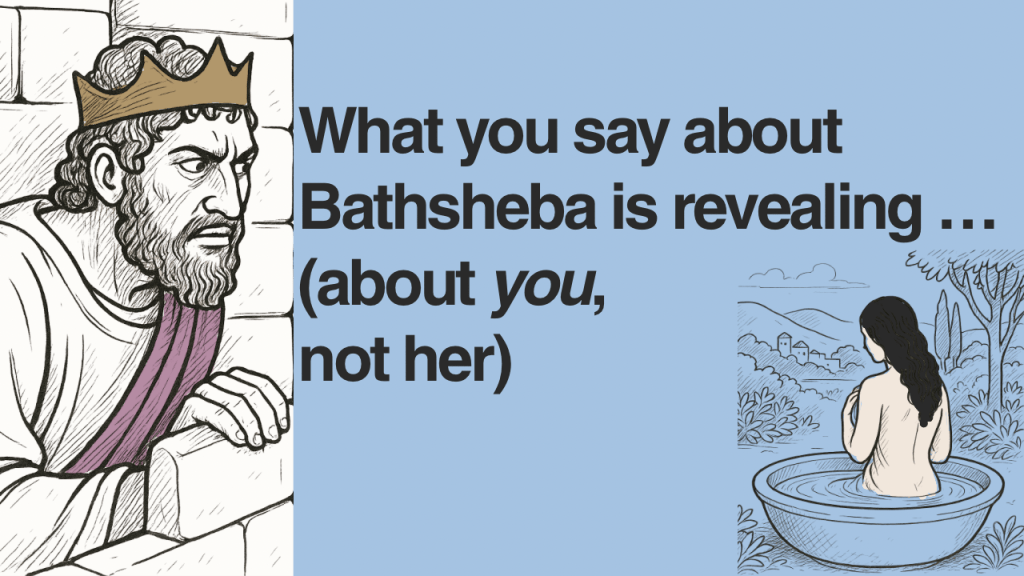
How a spiritual leader presents Bathsheba is a key indicator for how safe that person, church, or organization is for women.
-
The heart of the fool (Psalm 14:1)
The one where I explain the true meaning of, “The fool has said in his heart, ‘There is no God’”
-
“What happened about the statues”: how a neglected chapter in The Lion, The Witch, and The Wardrobe can help re-enchant the Church

What the chapter in the Lion, the Witch, and the Wardrobe where Aslan revives the petrified Narnians can teach us about the character and mission of the Church.
-
The Naaman Syndrome

In the days of Elisha, a man named Naaman nearly missed his healing because he despised the rather boring and ordinary means the prophet said would cure him from his deadly disease. Does the church in America today suffer from the same suspicion of the ordinary?

the sermonator
scribblings and sermons: doctrinal, devotional, and practical
 the sermonator