
Category: Biblical Interpretation
-
Applying Philippians 4:8 to one another

What if Christians dwelled on the good, the true, and the beautiful God has formed in one another?
-
The place of lament in the Christian life, or why casting all your cares on Him might look different than you imagine
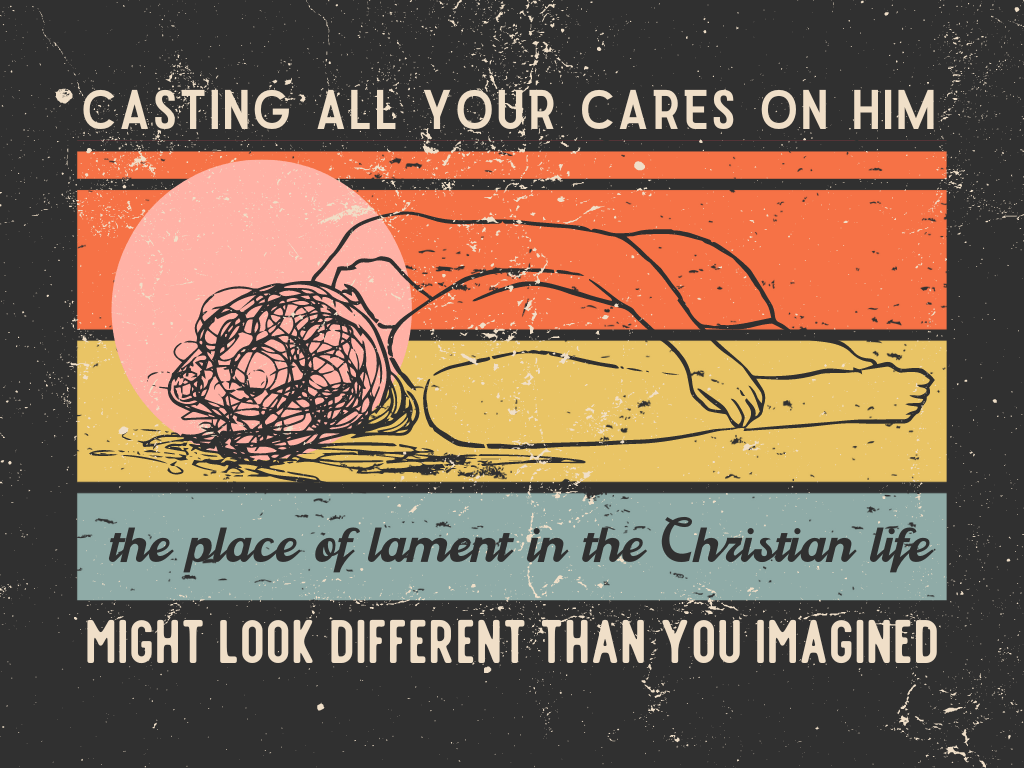
The one where we learn to read 1 Peter 5:7 through the lenses of lament.
-
Saved to Serve: A Sermon on Mark 1:29-31
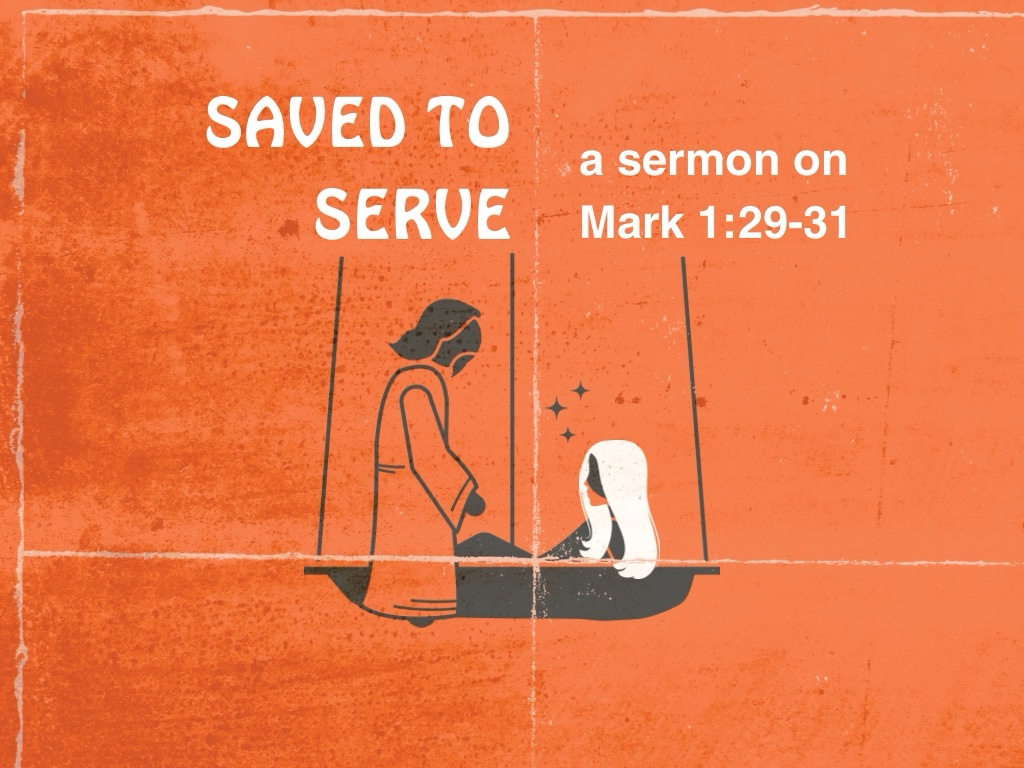
The one where I talk about St. Peter’s mother-in-law’s healing—and ours; and the ‘80s band Crowded house.
-
Common Grace (Genesis 8:21 – 9:13), part 3

The third promise of God’s common grace covenant with Noah is that He will protect human life: first, by providentially restraining wild beasts; and second, by His Law that restrains the violent.
-
Mary Magdalene at Easter

The one where I talk about the men who didn’t believe Mary Magdalene on Easter morning, and the men who still deny the resurrection.
-
Did Judas eat too?

The one where I challenge hashtag Judas Ate Too, with sound exegesis, theology, and practical consequences.
-
The Athanasian Creed from Scripture, Lines 27 – 28

Lines 27-28 of the Creed conclude its portion on the Trinity. These lines briefly restate the definition of the Trinity, and warn that refusing to confess the Trinity is apostasy.
-
The Athanasian Creed from Scripture, Lines 25-26
Lines 25-26 of the Athanasian Creed teach us that the eternal relationships of origin within the Trinity don’t indicate a hierarchy within the Trinity.
-
The Athanasian Creed from Scripture, Line 24
Line 24 of the Athanasian Creed teaches that there is unity in the Trinity, not redundancy.
-
The Athanasian Creed from Scripture, Lines 21-23
Lines 21-23 of the Athanasian Creed distinguish the personal property of each Person of the Godhead, and define their eternal relations.
 the sermonator