
Category: moralism
-
“What happened about the statues”: how a neglected chapter in The Lion, The Witch, and The Wardrobe can help re-enchant the Church

What the chapter in the Lion, the Witch, and the Wardrobe where Aslan revives the petrified Narnians can teach us about the character and mission of the Church.
-
The Naaman Syndrome
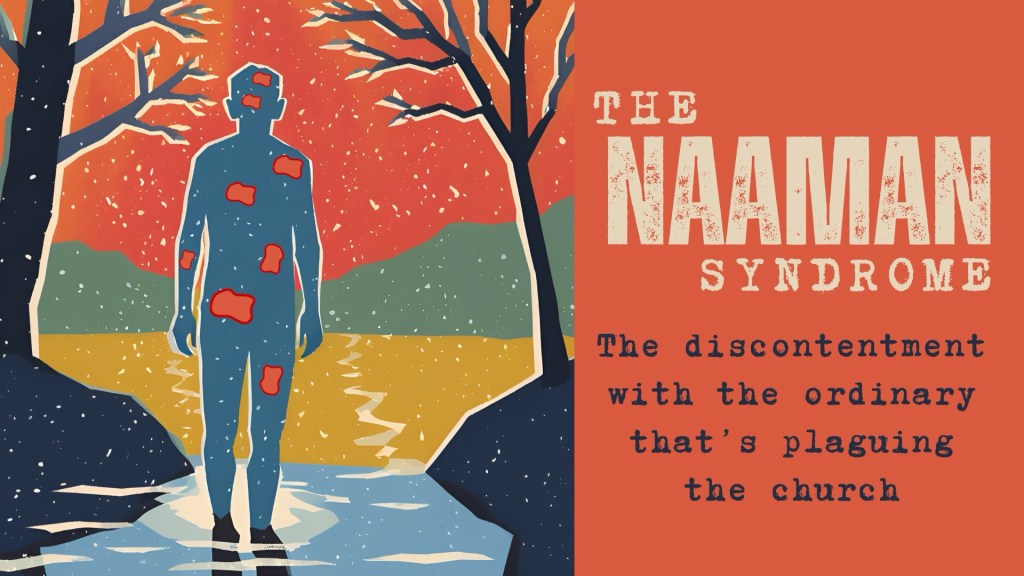
In the days of Elisha, a man named Naaman nearly missed his healing because he despised the rather boring and ordinary means the prophet said would cure him from his deadly disease. Does the church in America today suffer from the same suspicion of the ordinary?
-
Who’s afraid of Sola Fide?

The one where I explain that the grace to do good works can only be received through faith, while quoting Martin Luther, St. Augustine, and Kris Kristofferson.
-
Did Judas eat too?

The one where I challenge hashtag Judas Ate Too, with sound exegesis, theology, and practical consequences.
-
If I could erase any man’s legacy from American Christianity, it would be Charles G. Finney

The one where I call upon Christians and churches to renounce Charles Finney’s “new measures” and gratefully return to the “old measures” God gave us in the Bible.
-
In wisdom let us be attentive
A phrase has come down to us from ancient Christian worship: “The doors! The doors! In wisdom let us be attentive!” Originally a call designed to guard the Lord’s table, this phrase reminds us of the distinction which must be observed between Church and World. Have we been attentive to the doors of our churches?…
-
By grace, through faith, for works: gospel and vocation in Ephesians 2:8-10
Ephesians 2:8-10 teaches us that we are not saved by good works, but we are saved for good works. In these verses, we are taught the proper distinction between Gospel and Law in the Christian life; and we also learn to distinguish between our salvation and our vocations.
-
Slow Cooker Faith, part 3: Burn Victims
The one where I diagnose the burnouts and burn victims of the “on fire for Jesus” culture, and suggest a better way for sustaining an ordinary Christian life, rooted in the essential beliefs and pastoral realism of historic Christianity. This is what I call “Slow Cooker Faith.”
 the sermonator